



Ethyl Cellulose EC
Introduction
Ethyl cellulose (EC) is a non-ionic cellulose ether produced by replacing some or all of the hydroxyl
groups (-OH) in natural cellulose with ethoxy groups (-OC₂H₅).
CAS No.: 9004-57-3
Molecular Formula: C₂₃H₂₄N₆O₄
Appearance: White powder
Grades: Pharmaceutical grade and industrial grade
Key Features and Benefits
1.Excellent film-forming properties: Forms tough, transparent, and flexible films with high abrasion
and tear resistance.
2.Thermoplasticity: Can be processed by heating and melting (e.g., extrusion, injection molding),
making it one of the few thermoplastic cellulose derivatives.
3.Hydrophobicity: Exhibits low permeability to water and water vapor, providing an excellent moisture barrier.
4.Broad compatibility: Compatible with numerous resins, plasticizers, waxes, and oils, facilitating
formulation adjustments.
5.Physiological inertness: Non-toxic and odorless, and can be used in food and pharmaceutical
applications within regulatory limits.
6.Chemical stability: Stable against acids, bases, and salt solutions, and resistant to oils and greases.
Main Application Areas




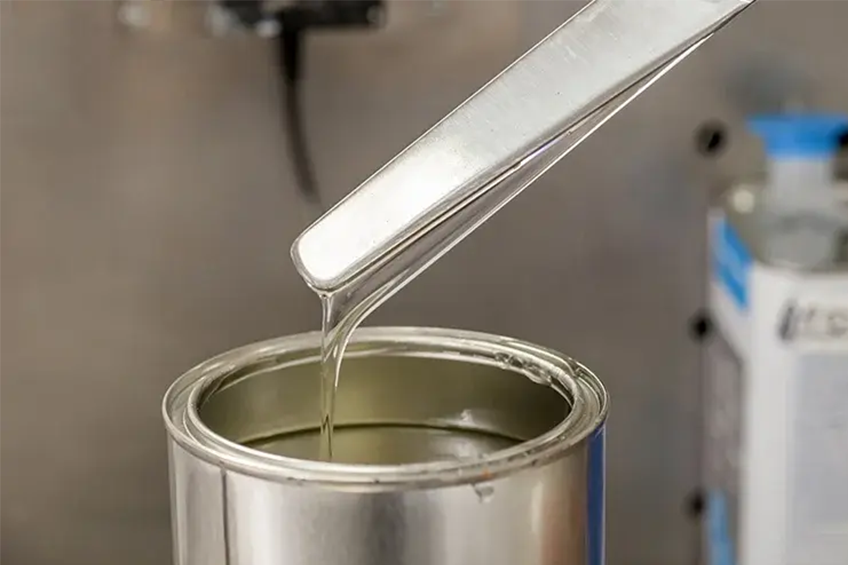
A.Pharmaceutical Industry (the most important and widespread application area)
Controlled-release drug coating: EC is insoluble and does not swell in aqueous media, making it an ideal material for preparing thin-film coatings for sustained-release and controlled-release tablets or microcapsules. The drug release rate can be precisely controlled by adjusting the coating thickness or adding pore-forming agents.
Matrix material: Used as a hydrophobic matrix in sustained-release tablets,
controlling drug release through a diffusion mechanism.
Microencapsulation: Used to encapsulate drugs, flavors, or nutrients, providing protection
and controlled release.
Binder: Used in the preparation of tablets or granules, especially suitable for wet granulation.
B. Food Industry
Food additive (E462): Used as a thickener, stabilizer, and binder.
Flavor encapsulation: Protects essential oils, flavors, etc., from light, oxygen, and moisture,
extending shelf life.
C.Coatings and Inks
Specialty coatings: Used for chemical-resistant and wear-resistant coatings on metals, wood, and paper.
Flexible inks: Used in gravure and screen printing inks, providing good flexibility and adhesion,
often used in lottery scratch-off layers.
Peelable coatings: Forms a temporary protective film.
D. Cosmetics and Personal Care
Film-forming agent: Used in products such as mascara, nail polish, and hairspray,
providing a long-lasting film-forming effect.
Thickener/stabilizer: Used in emulsions and creams.
E. Other Industrial Applications
Adhesive: Used in specialty adhesives, ceramic decals, etc.
Plastics industry: Used as a modifier to improve the strength and toughness of plastic products.
High-DS EC itself can be used as a thermoplastic.
Electronics industry: Used in electronic pastes and encapsulation materials
Specifications
Viscosity Classification
Application Method
Depending on the specific application.
Storage, Transportation and Packaging
Storage: Store below 32°C, in a dry place, and keep away from all sources of ignition.
Shelf life: 3 years.
Packaging: Fiber drum (lined with pharmaceutical-grade polyethylene woven bag), net weight: 12.5 kg/drum.